
Best Shoes for Plantar Fasciitis: Support, Comfort, and Recovery
Plantar fasciitis forces a reckoning with footwear. Sharp heel pain makes every step deliberate, and shoes that looked acceptable yesterday become impossible today. Recovery depends on multiple factors, but the right pair reduces strain, supports the arch, and lets inflammation settle.
This guide covers what plantar fasciitis is, how shoes influence the condition, and which styles offer genuine support. We focus on dress and casual options that work in professional and social settings, because function should not mean compromise.
What Is Plantar Fasciitis? Causes and Symptoms
Plantar fasciitis is inflammation of the plantar fascia, the thick band of tissue running along the sole from heel to toes. It supports the arch and absorbs shock during movement. When overloaded or strained, micro-tears develop and the tissue becomes inflamed.
Pain is typically sharp and localised at the heel, worst after rest. The first steps in the morning hurt most. Activity warms the tissue and eases discomfort temporarily, but prolonged standing or walking brings it back.
Causes include overuse, tight calf muscles, high arches, flat feet, sudden increases in activity, and poor footwear. Shoes with inadequate support, thin soles or excessive wear accelerate the problem. Age and weight are contributing factors, but neither is determinative.
How the Right Shoes Can Help Manage Plantar Fasciitis
Footwear cannot cure plantar fasciitis, but it shapes the environment in which recovery happens. Shoes that stabilise the heel, cushion impact and support the arch reduce stress on the plantar fascia during every step.
Poor shoes do the opposite. Flat soles, unsupportive uppers and worn-down heels force the fascia to work harder, prolonging inflammation and delaying healing. Changing footwear is not the only intervention required, but it is one of the most immediate.
Shoes alone will not resolve the condition if other factors remain unaddressed. Stretching, rest, weight management and sometimes orthotics are part of a broader approach. Footwear is the foundation.
Key Features to Look For: Arch Support, Cushioning, and Stability
Three features matter more than others when choosing best shoes for standing all day or managing plantar fasciitis.
Arch support maintains the natural curve of the foot and prevents the fascia from overstretching. Shoes with contoured insoles or built-in arch profiles distribute pressure more evenly. Flat insoles offer no structural assistance and should be avoided.
Cushioning absorbs impact at heel strike. EVA midsoles, memory foam or polyurethane provide shock absorption without bottoming out. Too soft is as problematic as too hard. The material should compress slightly then return, not collapse.
Heel stability keeps the foot centred and prevents excess inward or outward roll. A firm heel counter, structured midsole and moderate heel-to-toe drop all contribute. Shoes without structure allow the foot to move unpredictably, increasing strain on the fascia.
Other considerations include fit, break-in time and sole flexibility. Shoes should fit snugly at the heel and midfoot without pinching the toes. Excessive flexibility at the forefoot reduces support. A shoe that bends too easily does not control motion adequately.
Best Dress Shoes for Plantar Fasciitis (Including Derbys)
Dress shoes rarely prioritise comfort, but exceptions exist. Derby shoes offer more volume and adjustability than oxfords, making them better suited to orthotics or higher-volume feet.
Look for dress shoes with removable insoles. This allows custom inserts to be fitted without compromising fit. Shoes with cemented or stitched leather soles often lack cushioning, so opt for rubber or EVA-soled styles where possible.
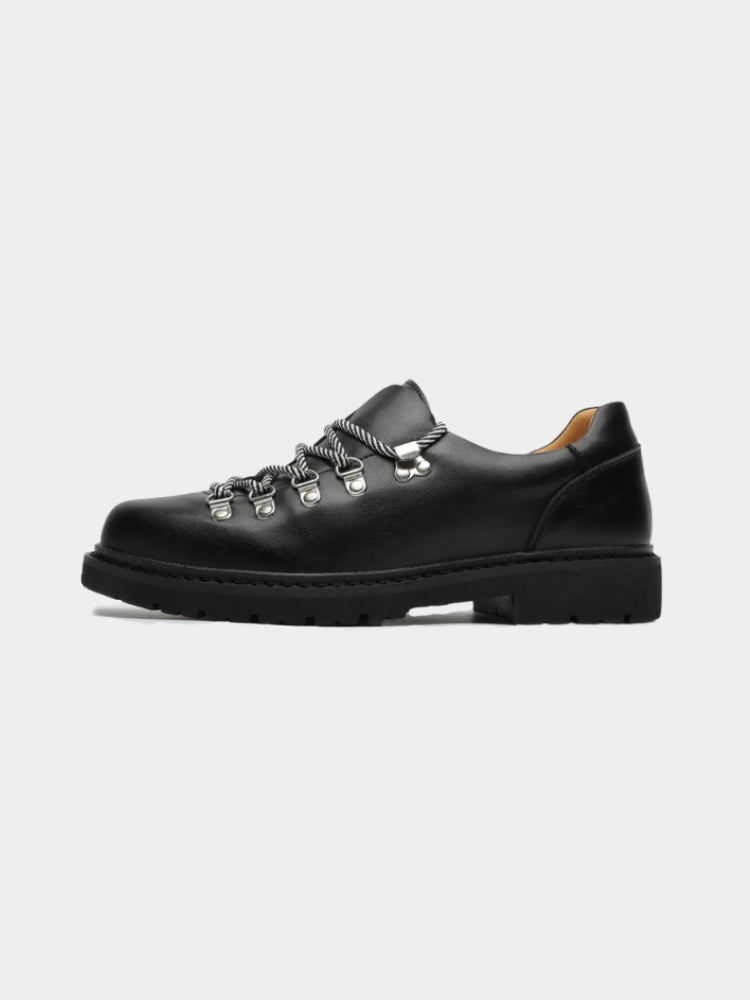
Derby shoes with structured uppers and moderate heel height provide stability. Lace closure allows precise fit adjustment throughout the day as swelling changes. Full-grain leather uppers offer durability and support, particularly if lined.
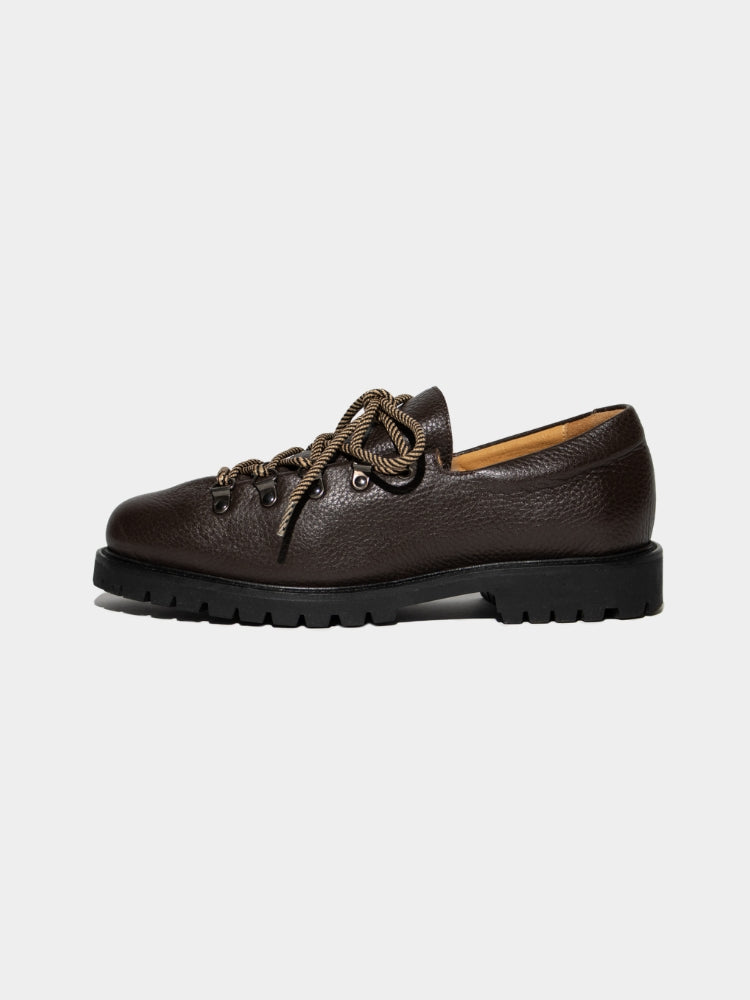
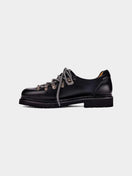
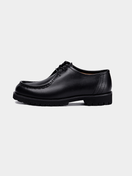
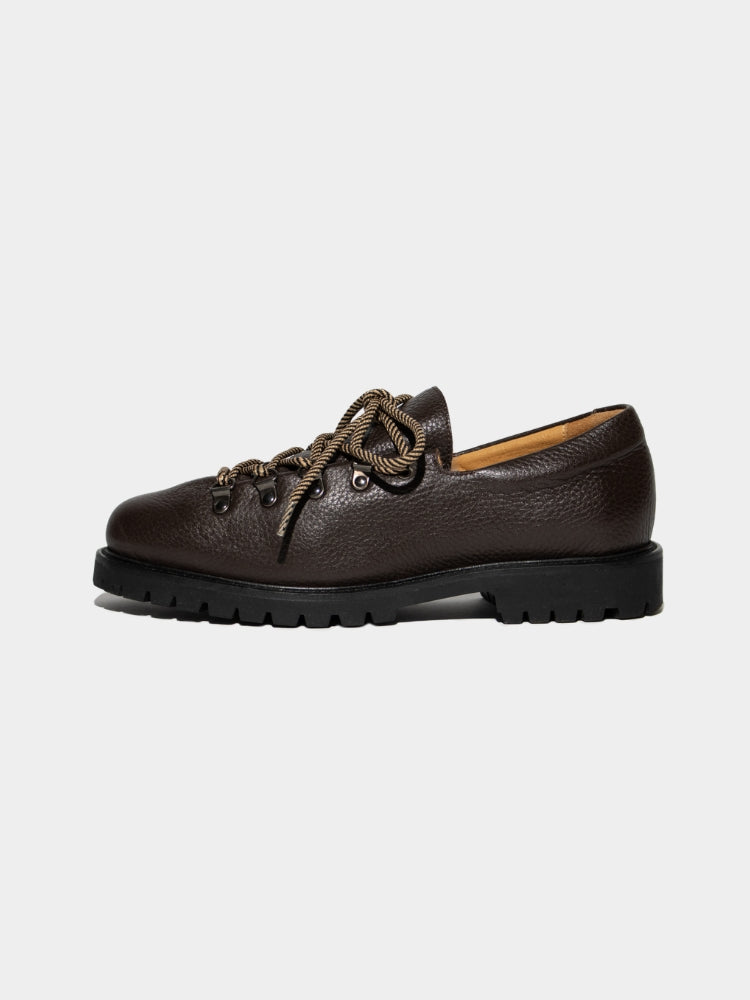
Our men's brown derby shoes are designed in the Netherlands with supportive lasts and removable insoles. The rubber sole provides cushioning without excessive softness. They work in office settings, client meetings and evening events where formality is expected.
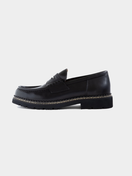
Avoid shoes with pointed toes, high heels or stiff leather soles. These restrict natural foot mechanics and concentrate pressure unevenly. Slip-ons and loafers, while convenient, often lack the adjustability needed for secure fit, though well-constructed loafers for men with proper arch support can work for some.
Insoles and Orthotics: When to Add Extra Support
Not all feet respond to the support built into off-the-shelf shoes. Custom or over-the-counter orthotics add targeted correction for specific biomechanical issues.
Plantar fasciitis inserts for shoes range from gel heel cups to full-length arch supports. Heel cups cushion impact and stabilise the rearfoot. Full-length insoles provide arch support and motion control along the entire foot.
Over-the-counter insoles work for mild to moderate cases. Brands with contoured arches and firm bases offer measurable improvement for many users. Custom orthotics, prescribed by a podiatrist, address individual foot structure and gait patterns with greater precision.
Insert the orthotic into shoes with removable insoles. Adding an orthotic on top of an existing insole often creates poor fit, lifts the heel out of the counter, and negates the benefit. Shoes must have adequate depth and volume to accommodate the insert without crowding the forefoot.
Orthotics are not a universal requirement. Some respond well to supportive footwear alone. Others need additional correction. Trial over-the-counter options first. If pain persists after six weeks, consult a specialist.
Lifestyle and Stretching Tips for Long-Term Relief
Footwear is part of a larger picture. Recovery from plantar fasciitis requires attention to movement patterns, flexibility and load management.
Calf stretches lengthen the Achilles tendon and reduce tension on the plantar fascia. Perform these twice daily, holding each stretch for 30 seconds. Tight calves are a common contributing factor.
Plantar fascia stretches involve pulling the toes back towards the shin while seated, creating tension along the sole. This improves tissue flexibility and reduces morning stiffness.
Avoid walking barefoot on hard surfaces. At home, wear supportive slippers or sandals with contoured footbeds. Barefoot walking on concrete or tile increases strain.
Gradual activity increases prevent overload. Sudden jumps in mileage, standing time or intensity trigger flare-ups. Build volume slowly and allow rest days for tissue adaptation.
Weight management reduces force through the plantar fascia with every step. Even modest reductions in bodyweight decrease cumulative load and accelerate healing.
Ice, anti-inflammatory medication and night splints are additional interventions worth discussing with a clinician. None replace proper footwear, but all contribute when combined appropriately.
Finding the Balance Between Support and Style
Plantar fasciitis does not require sacrificing appearance. Supportive shoes exist across categories, from casual trainers to formal derbys. The key is knowing which features matter and which are aesthetic.
Prioritise structure, cushioning and fit. Choose shoes with removable insoles if orthotics are part of the plan. Select styles that accommodate your foot shape without forcing compromise.
Recovery takes weeks to months. Consistency in footwear, stretching and activity modification determines outcomes. The shoes you wear today shape how the fascia heals tomorrow. Choose accordingly.

Written by Paper Straight