
Best Shoes for Standing All Day: Comfort, Support, and Style
Why Standing All Day Requires Specialized Footwear
Retail assistants, nurses, chefs, hospitality staff. The common thread is hours on hard floors. Fatigue begins in the feet and travels upward. By mid-shift, the lower back aches. The knees protest. Concentration falters.
Standing is not walking. Walking distributes pressure across different parts of the foot with each stride. Standing concentrates load on fixed points for extended periods. Without proper support, the plantar fascia stretches, the arch collapses, and inflammation follows. The wrong shoes accelerate this process.
Specialized footwear for standing professions addresses these biomechanical realities. Cushioning absorbs impact. Arch support maintains foot structure under load. Breathable materials prevent moisture buildup that leads to blisters and fungal issues. A stable heel counter prevents lateral roll. These are not luxuries. They are functional requirements.
Key Features to Look For: Cushioning, Arch Support, and Fit
Cushioning matters most in the midsole. EVA foam, polyurethane, and cork are common choices. Each has trade-offs. EVA is lightweight but compresses over time. Polyurethane is denser and more durable. Cork moulds to your foot and offers natural shock absorption.
The insole should provide structured arch support, not just padding. Flat insoles feel comfortable initially but offer no correction as fatigue sets in. A contoured footbed distributes weight across the entire plantar surface. This reduces pressure on the heel and ball of the foot.
Fit determines whether other features can do their job. A shoe that is too narrow compresses the forefoot. Too wide allows the foot to slide, creating friction. The heel should be snug without pinching. Laces or other closures should allow adjustment as feet swell during the day.
Non-slip outsoles are essential in environments where spills occur. Look for rubber compounds with sufficient grip on wet surfaces. Tread patterns should channel liquids away from the contact patch.
Material Matters: Breathability and Flexibility
Leather remains the benchmark for professional footwear. Full-grain leather breathes better than synthetic alternatives and develops a patina rather than deteriorating. It flexes with the foot while maintaining structure. Suede offers similar benefits with a softer initial feel, though it requires more careful maintenance.
Lining materials affect comfort as much as the upper. Leather linings wick moisture away from the skin. Textile linings are often more affordable but retain heat. Moisture-wicking synthetics occupy a middle ground, though their long-term performance varies.
Flexibility in the forefoot is necessary for natural gait. A shoe that bends easily at the ball of the foot allows the toes to engage during push-off. Excessive stiffness forces compensatory movements that strain the ankle and knee. Test this by holding the heel and pressing the toe to the ground. The shoe should flex smoothly at the metatarsal heads.
Breathability prevents the damp environment where blisters and odour thrive. Perforations, mesh panels, or naturally porous materials like suede improve air circulation. In warmer climates or during summer shifts, this feature becomes critical.
Derby Shoes as All-Day Standing Shoes: A Smart Professional Choice
The derby's open lacing system allows for width adjustment that closed-lace oxfords cannot match. This is valuable when feet swell during long shifts. The quarters can flex outward to accommodate increased volume without compromising heel grip.
Derbys designed for standing incorporate features often associated with casual or athletic footwear. Cushioned insoles, supportive midsoles, and flexible outsoles are now standard in quality dress shoes. The visual language remains professional while the internal construction prioritizes comfort.
A well-constructed derby distributes weight evenly. The heel counter provides lateral stability without rigidity. The shank, a stiffening element in the arch, prevents the shoe from collapsing under load. Together, these components create a stable platform that reduces fatigue.
Maintenance is straightforward. Leather uppers can be cleaned and conditioned. Removable insoles can be aired or replaced. Outsoles can be resoled by a cobbler. This longevity offsets the higher initial cost compared to disposable athletic shoes.
Top Picks for Standing Comfort
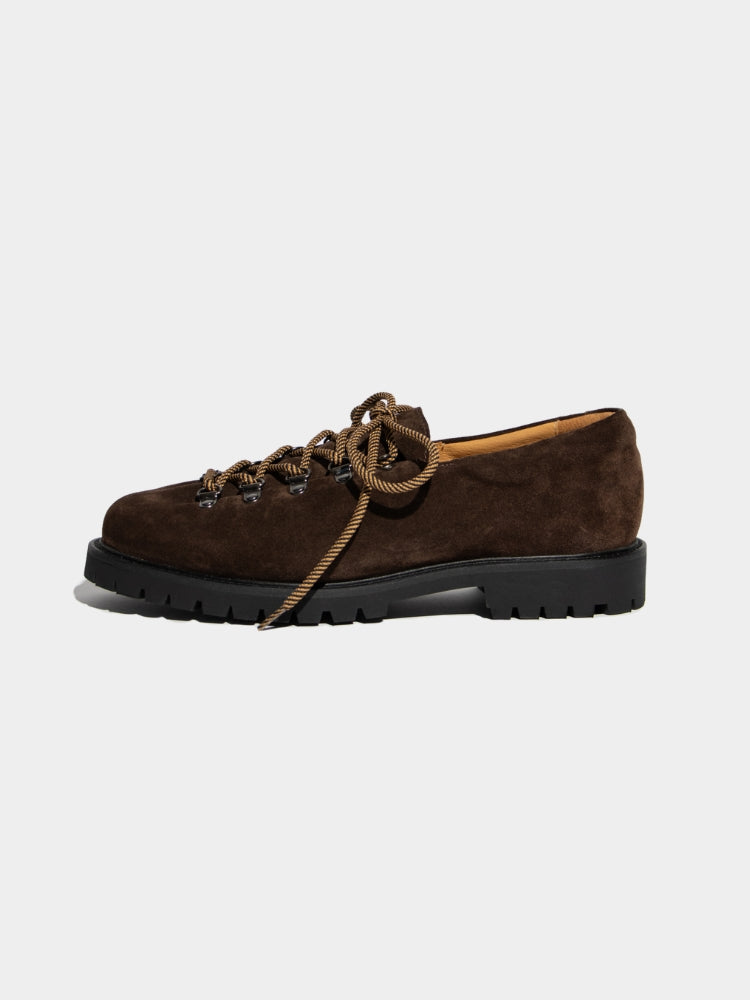
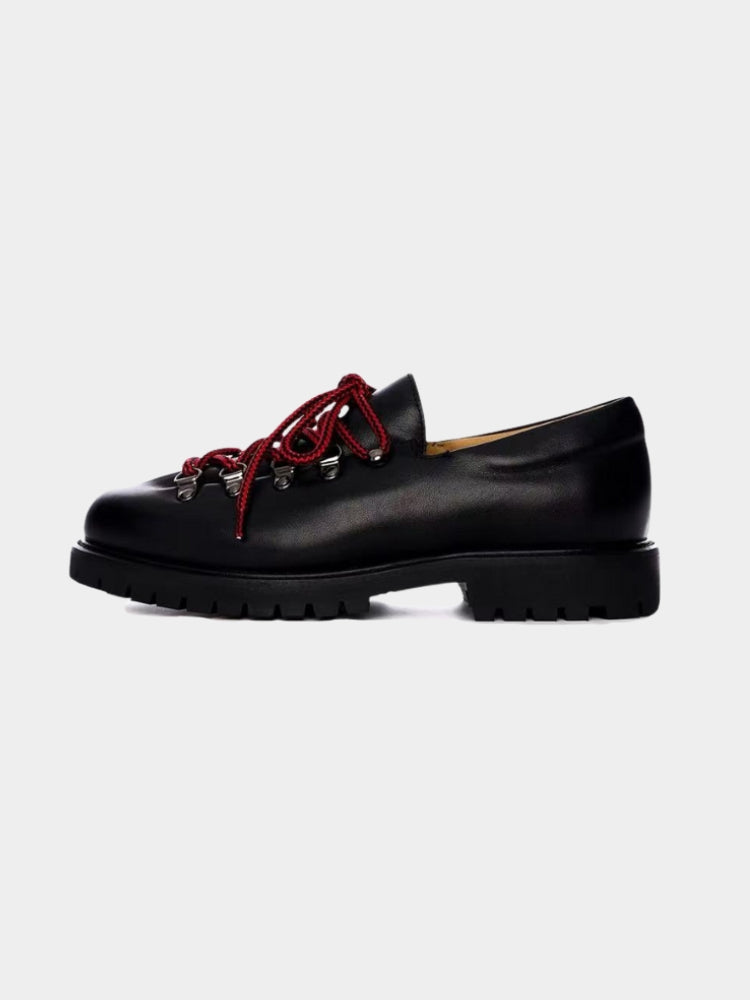
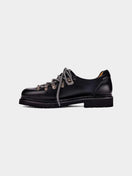
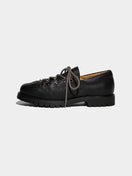
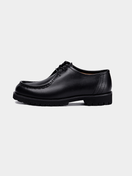
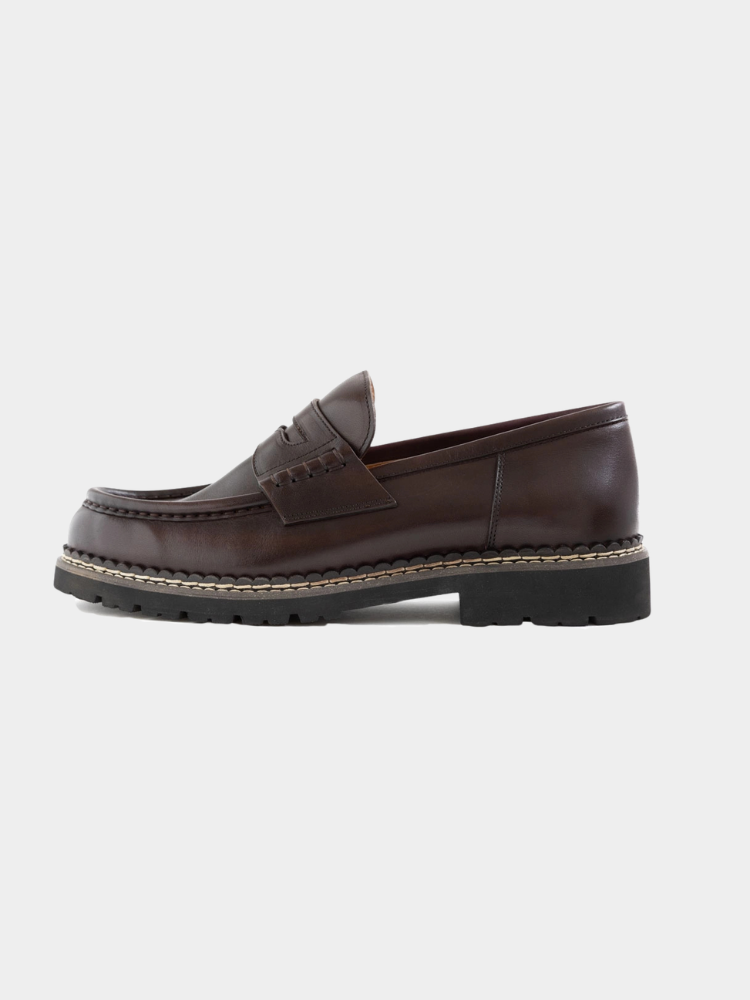
Paper Straight derbys combine the features outlined above. The construction includes a cushioned footbed and a flexible rubber outsole. The leather upper breathes naturally. The fit accommodates adjustment throughout the day. These are not marketed as standing shoes, but the specifications align with the requirements.
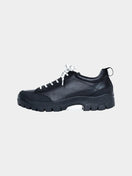
For those seeking athletic options, running shoe brands often produce work-specific models. These typically feature slip-resistant outsoles and water-resistant uppers. The cushioning systems are highly developed, though the aesthetic skews casual.
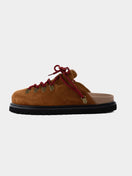
Clogs remain popular in healthcare and food service. The backless design allows easy on-and-off. Contoured footbeds provide arch support. However, clogs offer no ankle stability and can be hazardous on stairs.
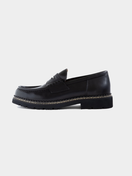
Hybrid designs blur the line between dress and athletic shoes. These often feature leather or synthetic uppers styled like traditional business shoes, with athletic midsoles and outsoles hidden beneath. The aesthetic compromise may not suit all professional environments.
Care Tips to Extend Shoe Longevity
Rotation is the single most effective way to prolong shoe life. Wearing the same pair daily prevents the materials from drying and recovering their shape. Two pairs rotated on alternate days will last longer than two pairs worn consecutively.
Clean shoes regularly to remove dirt and salt that degrade leather. Use a damp cloth for routine cleaning. Apply leather conditioner every few weeks to prevent cracking. Allow shoes to air dry naturally after wet conditions. Never place them near direct heat sources.
Replace insoles before they compress completely. Most removable insoles lose their support after six to twelve months of daily use. Aftermarket orthotics can extend the functional life of the shoe while providing targeted support for specific foot issues.
Address minor repairs promptly. A worn heel tap or loose stitching will worsen if ignored. Cobblers can replace outsoles, reattach uppers, and refinish leather at a fraction of the cost of new shoes. Quality construction makes repair economically viable.
Store shoes with shoe trees to maintain their shape. Cedar absorbs moisture and odour. Plastic trees are acceptable but offer no moisture management. Stuff shoes with newspaper if trees are unavailable.
Conclusion
Standing all day tests footwear in ways that casual wear does not. The best shoes for standing all day combine cushioning, arch support, breathable materials, and a fit that accommodates natural foot swelling. Derby shoes meet these criteria while maintaining a professional appearance suitable for client-facing roles.
Investing in proper footwear is not an expense. It is a hedge against chronic pain and long-term joint problems. Your feet support everything else. Choose shoes that support them in return.

Written by Paper Straight