
Article: What Is Vegan Leather Made Of? A Complete Guide to Shoe Materials
What Is Vegan Leather Made Of? A Complete Guide to Shoe Materials
What is vegan leather made of shoes, and why does it matter?
Vegan leather shoes are constructed from synthetic materials that replicate the appearance and function of animal hide without using any animal-derived components. The question of composition matters because material choice affects durability, breathability, care requirements and environmental footprint.
Most vegan leather in footwear uses polyurethane (PU) or polyvinyl chloride (PVC) as the coating layer, bonded to a fabric substrate. Some premium shoes incorporate newer bio-based alternatives such as polyurethane derived from plant oils, or textiles engineered from waste materials. Each variant performs differently and requires distinct consideration.
What Is Vegan Leather? Definition and Core Materials
Vegan leather is any material engineered to mimic leather's look and handling without animal skin. The category includes synthetic polymers, plant-based textiles and lab-grown materials.
Polyurethane (PU) is the most common composition in quality vegan leather shoes. It forms a flexible, breathable coating applied to woven polyester or cotton backing. PU can be manufactured with varying thickness, texture and finish, allowing close replication of full-grain, suede or patent leather aesthetics.
Polyvinyl chloride (PVC), sometimes called vinyl, is cheaper and more rigid. It offers water resistance but limited breathability. PVC requires plasticisers to achieve flexibility, and these additives can degrade over time.
Bio-based polyurethane substitutes petroleum derivatives with plant oils such as castor or corn. The polymer structure remains similar to conventional PU, but the feedstock changes. This reduces reliance on fossil fuels without altering the material's physical properties.
Plant-derived textiles include materials such as Piñatex (from pineapple leaf fibre), mushroom leather (mycelium-based) and apple leather (from pomace waste). These materials are still developing in footwear applications. They often require additional coatings for durability and water resistance.
Recycled synthetic leather uses post-consumer PET or reclaimed polyurethane waste as feedstock. The manufacturing process mirrors standard synthetic leather, but the input materials divert waste from landfill.
For a broader perspective on material ethics in menswear, see our guide on eco-friendly men's clothing.
How Vegan Leather Shoes Are Made: Production Process
Synthetic leather production begins with fabric preparation. A textile substrate, typically polyester or cotton, is woven and treated for stability. This backing provides structural integrity.
The coating layer is applied through calendering or lamination. In calendering, liquid polyurethane is spread onto the fabric and cured under heat and pressure. In lamination, a pre-formed polymer film is bonded to the substrate using heat-activated adhesives.
Texture is embossed into the surface using engraved rollers while the material is warm. Grain patterns, pebbling and even artificial creases can be pressed in. The embossing step determines visual realism.
Colouration occurs either during polymer mixing or through surface dyeing. Pigments are added to the polyurethane before application, or dyes are topically applied after curing. Surface dyeing allows finer colour control but may show wear more quickly.
Finishing treatments include topcoats for gloss or matte effect, protective sealants and softening agents. These additives affect water resistance, flexibility and surface durability.
Once the synthetic leather is complete, it is cut and stitched using the same techniques as traditional leather footwear. Uppers are lasted over moulds, bonded or stitched to midsoles, and finished with laces, eyelets and branding.
Durability and Performance: How Vegan Leather Compares to Traditional Leather
Vegan leather shoes typically last between one and three years with regular use. Longevity depends on polymer quality, backing fabric and construction method.
High-grade polyurethane on dense woven backing withstands daily wear and holds shape well. It resists creasing better than low-grade PU and maintains surface integrity longer. PVC-based alternatives crack more readily, especially in cold temperatures or under repeated flexing.
Breathability varies. Polyurethane allows some air and moisture vapour transmission, though less than full-grain animal leather. PVC is nearly impermeable. Shoes made from plant-derived textiles may offer better ventilation, but often require synthetic coatings that reduce breathability again.
Water resistance is generally superior in synthetic materials. The polymer coating repels moisture effectively, though seams and stitching remain vulnerable. Traditional leather absorbs water unless treated, but it dries without structural damage if cared for properly. Synthetic leather may delaminate if soaked repeatedly.
Flexibility and comfort improve with wear in natural leather. Vegan leather does not mould to the foot in the same way. However, well-constructed vegan shoes with cushioned insoles and anatomical lasts provide comparable comfort from the first wear.
Repairability is limited. Synthetic materials cannot be easily re-dyed, refinished or patched as leather can. Delamination, surface cracking and sole separation generally mark the end of a vegan leather shoe's useful life.
For more on how material choice intersects with footwear ethics, explore our article on best vegan leather shoe brands.
Environmental Impact: Is Vegan Leather More Sustainable?
Vegan leather's environmental profile is complex and material-specific. Petroleum-based polyurethane and PVC rely on fossil fuel extraction and energy-intensive chemical processing. Both release volatile organic compounds during manufacture. PVC production also generates dioxins, which are persistent environmental pollutants.
Animal leather tanning, particularly chrome tanning, involves heavy metals and toxic effluents. Vegetable tanning is less harmful but slower and more costly. Livestock farming for hides contributes to deforestation, water consumption and greenhouse gas emissions, though hides are typically co-products of meat production rather than primary outputs.
Bio-based polyurethanes reduce carbon footprint by substituting renewable feedstocks, but the polymer chemistry and energy requirements remain similar. The improvement is incremental rather than transformative.
Plant-derived textiles such as Piñatex and mushroom leather use agricultural or post-consumer waste, which lowers environmental cost. However, these materials often require synthetic binders or coatings for durability, reintroducing petrochemical inputs.
End-of-life disposal presents challenges. Synthetic leather does not biodegrade. It can be incinerated for energy recovery but releases pollutants unless processed in advanced facilities. Recycling infrastructure for polyurethane and PVC footwear is limited.
Animal leather, while biodegradable in principle, degrades slowly due to tanning chemicals. Chrome-tanned leather can leach heavy metals into soil.
No single material is universally more sustainable. Environmental impact depends on feedstock origin, manufacturing practices, transport distance, product lifespan and disposal method. A durable vegan shoe worn for three years may have lower total impact than a poorly made leather shoe discarded after one.
Caring for Vegan Leather Footwear: Maintenance Tips
Vegan leather requires different care than animal hide. The polymer surface does not absorb conditioners or oils. Standard leather creams may cause discolouration or surface degradation.
Clean shoes regularly with a damp cloth and mild soap. Wipe gently to remove dirt and prevent buildup in texture or seams. Avoid abrasive brushes, which can scratch the polymer coating.
Dry shoes at room temperature. Do not place them near radiators or in direct sunlight. Heat accelerates polymer breakdown and can cause warping or delamination.
Store shoes in a cool, dry place away from UV exposure. Sunlight degrades polyurethane and fades colour. Use shoe trees or stuff with paper to maintain shape, especially if the upper lacks structural stiffness.
Avoid prolonged water exposure. While synthetic leather repels moisture, repeated soaking weakens adhesive bonds between layers. If shoes become wet, blot with a towel and air-dry slowly.
Apply a synthetic leather protectant spray periodically. These products add a hydrophobic layer that extends surface life and simplifies cleaning. Check compatibility with your shoe's finish before full application.
Inspect stitching and soles regularly. Synthetic uppers outlast adhesive bonds in many cases. Re-gluing a sole early prevents further damage and extends wearability.
Why Paper Straight Chose Premium Vegan Leather
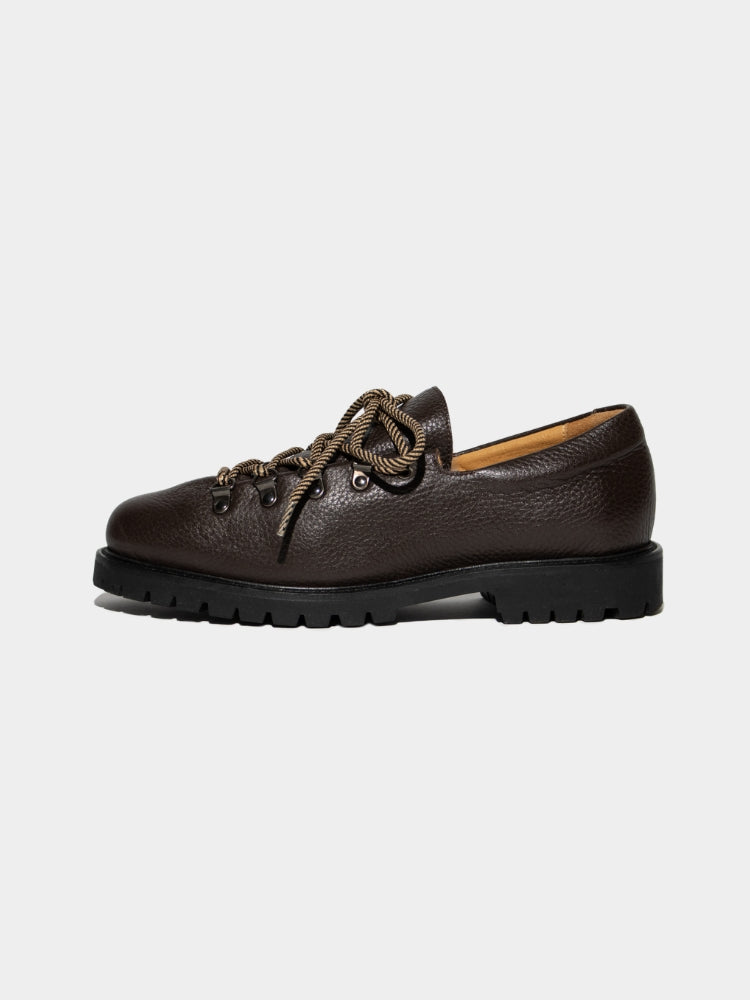
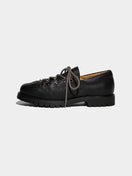
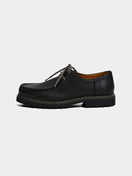
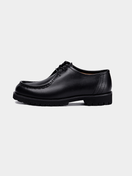
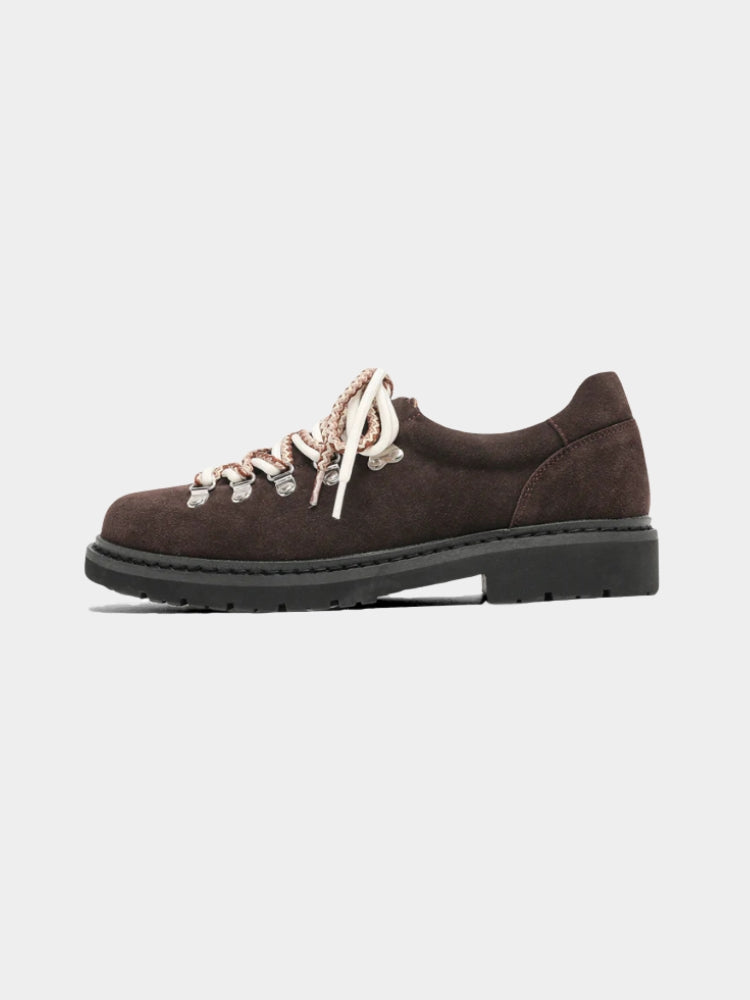
Paper Straight designs footwear around the derby silhouette using high-grade polyurethane on structured textile backing. The decision reflects a commitment to animal welfare without compromising material performance or aesthetic refinement.
The polyurethane selected offers flexibility, breathability and consistent grain texture. It holds dye evenly, accepts embossing cleanly and maintains structural integrity through extended wear. This allows construction methods that mirror traditional shoemaking, including Goodyear welting and Blake stitching where applicable.
All footwear is designed in the Netherlands. Manufacturing partners are selected for material traceability, worker welfare standards and environmental compliance. Premium vegan leather enables precision in fit and finish that meets the expectations of discerning buyers.
Returns are accepted within 14 days. Duties are included on international orders, removing cost uncertainty at checkout.
The choice of vegan leather is not marketed as inherently superior to all alternatives. It is a deliberate material decision aligned with specific values: eliminating animal products, maintaining high construction standards and delivering footwear that performs reliably in daily use.
Understanding what vegan leather is made of allows you to assess whether the material suits your priorities. Composition, production method and care requirements are concrete details that inform long-term satisfaction with any shoe purchase.

Written by Paper Straight