
Eco-Friendly Men's Clothing: Materials, Certifications, and How to Shop Sustainably
Why Eco-Friendly Clothing Matters: Environmental Impact of Fashion
The fashion industry accounts for roughly 10% of global carbon emissions and remains one of the largest water consumers worldwide. Textile dyeing pollutes rivers. Synthetic fibres shed microplastics. Fast fashion cycles encourage waste. The average garment is worn seven times before disposal.
Eco-friendly men's clothing addresses these issues through material choice, production methods, and durability. It reduces water use, avoids toxic chemicals, and prioritises longevity over disposability. The environmental benefit compounds when garments last years instead of months.
This approach does not require compromise. Well-made pieces in responsible materials perform better and look sharper than their conventional equivalents. They also cost less over time when measured per wear.
Sustainable Materials Explained: Organic, Recycled, and Plant-Based
Organic Cotton
Organic cotton grows without synthetic pesticides or fertilisers. It uses less water than conventional cotton and maintains soil health through crop rotation. GOTS certification guarantees organic farming standards and prohibits harmful processing chemicals.
The fabric breathes, softens with wear, and suits everything from shirting to canvas footwear. Its care requirements remain straightforward.
Recycled Polyester
Recycled polyester diverts plastic bottles and textile waste from landfill, converting them into wearable fibre. The process uses less energy and water than virgin polyester production. Modern recycled polyester matches the performance of new synthetic fabric while reducing petroleum dependency.
It works well in outerwear, activewear, and blended constructions where durability and moisture management matter.
Lyocell and Tencel
Lyocell is a cellulose fibre derived from wood pulp, typically eucalyptus or beech. The closed-loop production process recovers and reuses solvents, minimising waste and pollution. Tencel is the branded version produced by Lenzing.
The fabric drapes beautifully, regulates temperature, and resists wrinkles. It appears in shirting, knitwear, and linings.
Hemp
Hemp requires minimal water, no pesticides, and improves soil quality. The plant grows quickly and densely, suppressing weeds naturally. Hemp fabric strengthens with washing and provides excellent breathability.
Its texture suits casual pieces. Blends with organic cotton soften the hand while maintaining durability.
Linen
Flax, the source of linen, grows with little water or chemical input. The entire plant can be used, leaving minimal waste. Linen fabric becomes softer and more comfortable over time. Its natural texture and temperature regulation make it ideal for warm weather.
Plant-Based Leather Alternatives
Materials derived from apple waste, cactus, grape skins, and mushroom mycelium now offer credible alternatives to animal leather. These avoid the environmental impact of livestock farming and the chemical intensity of conventional tanning. Performance varies by material and construction, but the best versions provide durability and aesthetic appeal comparable to traditional leather.
These materials appear in footwear, bags, and outerwear. When choosing plant-based alternatives, verify the backing and coating composition to ensure the full construction aligns with your sustainability priorities.
Certifications and Labels to Trust (GOTS, OEKO-TEX, Vegan)
Certifications provide verifiable standards in an industry prone to vague claims. These are the labels worth recognising.
GOTS (Global Organic Textile Standard)
GOTS certifies organic fibre content and prohibits toxic chemicals throughout production. It also enforces social criteria, including safe working conditions and fair wages. GOTS-certified garments meet strict environmental and ethical standards from field to finished product.
OEKO-TEX Standard 100
OEKO-TEX tests finished textiles for harmful substances, including heavy metals, formaldehyde, and pesticides. Certification confirms the fabric is safe for human contact. It does not guarantee organic or sustainable production, but it ensures chemical safety.
Fair Trade
Fair Trade certification focuses on worker welfare, ensuring fair wages, safe conditions, and community investment. It applies to cotton and other raw materials. Fair Trade products support equitable supply chains.
Vegan Certification
Vegan labels confirm the absence of animal-derived materials and animal testing. They do not automatically indicate environmental sustainability, so check for additional certifications if that matters to you.
B Corporation
B Corp status certifies a company's overall social and environmental performance, accountability, and transparency. It evaluates the entire business, not just individual products. B Corp brands demonstrate a verified commitment to responsible practice.
Top Eco-Friendly Men's Clothing Brands (Including Paper Straight)
Several brands now combine responsible materials with design integrity. Here are options across price points and styles.
Paper Straight
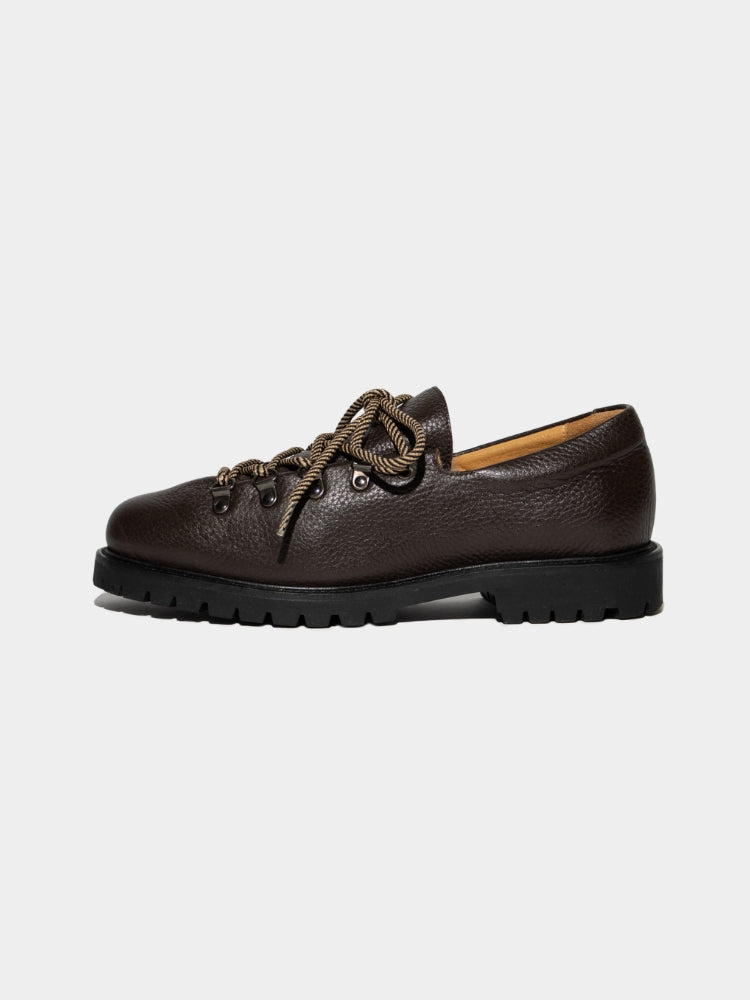
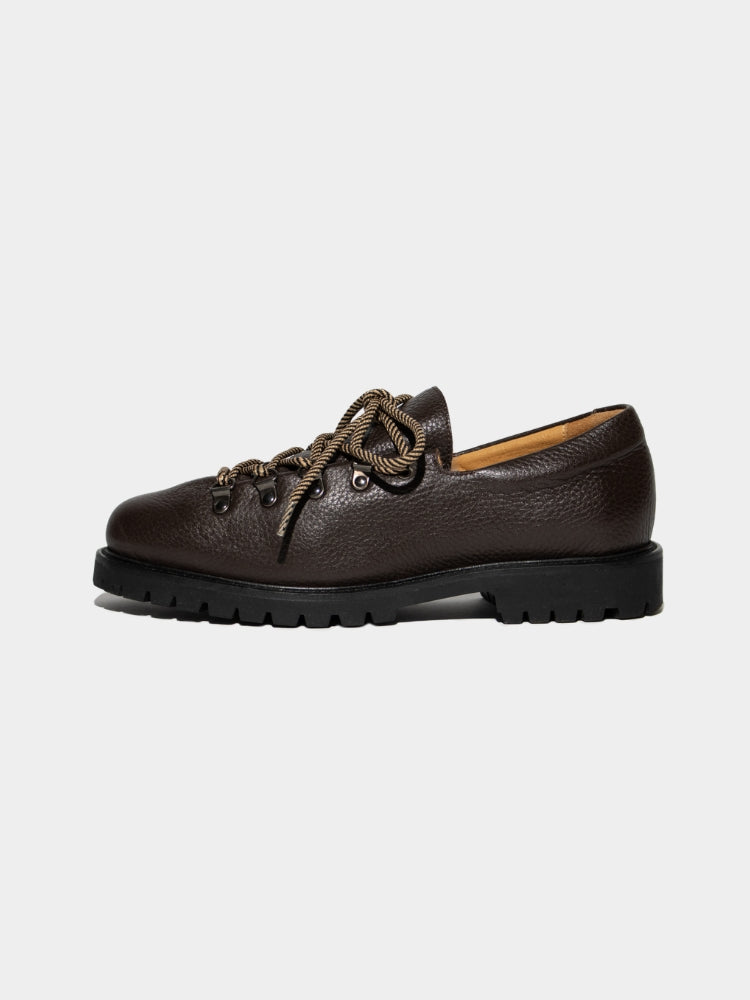
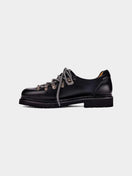
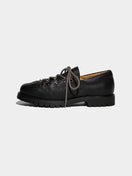
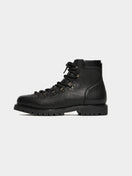
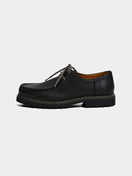
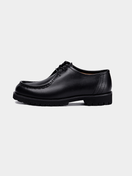
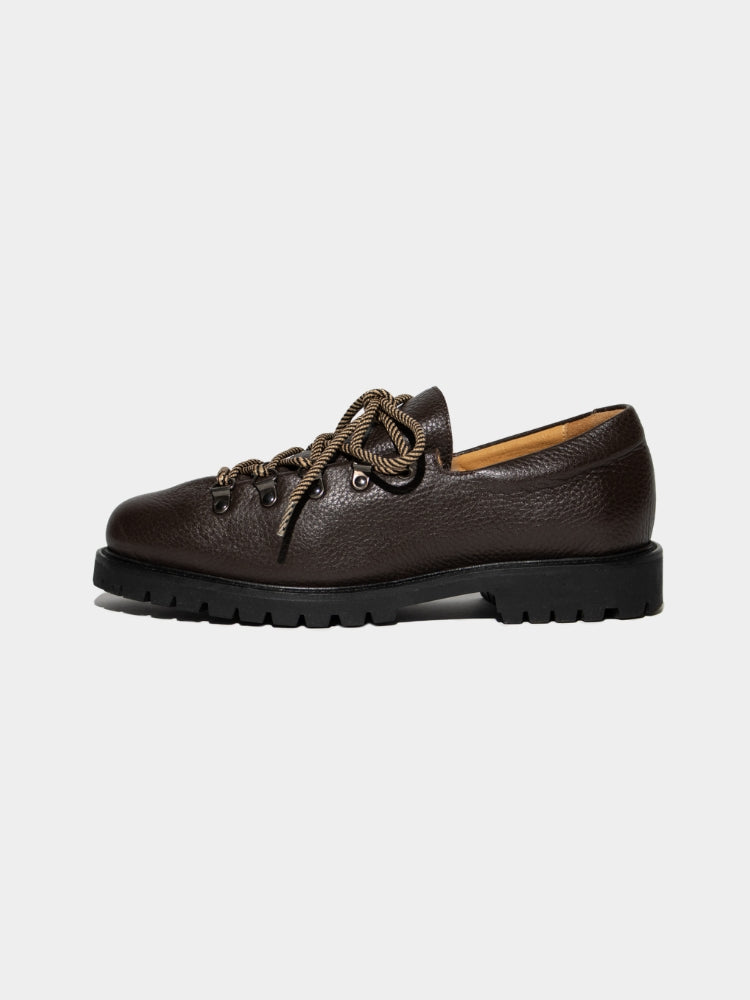
Paper Straight builds its range around the derby shoe, with footwear and menswear designed in the Netherlands. The brand prioritises material transparency and construction quality. Each piece is made to last, reducing the need for frequent replacement. Returns are accepted within 14 days, and duties are included on international orders.
The aesthetic is clean, adaptable, and free of trend cycles. If you value durability and straightforward design, Paper Straight delivers both.
Patagonia
Patagonia uses organic cotton, recycled polyester, and Fair Trade-certified factories. The brand openly shares its supply chain and environmental impact. Its repair programme and secondhand platform extend garment life.
Asket
Asket focuses on transparency, publishing the cost breakdown and environmental impact of each product. The brand uses organic and recycled materials and maintains a permanent collection rather than seasonal drops.
Nudie Jeans
Nudie Jeans produces organic denim and offers free repairs for life. The brand runs a reuse and recycle programme, accepting old jeans for resale or fibre recovery. Transparency reports detail water use and carbon emissions.
Veja
Veja makes footwear from organic cotton, wild rubber, and recycled plastic. The brand works directly with producer cooperatives, ensuring fair pricing. Its low-profile trainers suit casual and smart casual dress code wardrobes.
Tentree
Tentree plants ten trees for every item sold and uses organic cotton, recycled polyester, and Tencel. The brand tracks its environmental impact and shares progress transparently. Its basics work well for layering and everyday wear.
For a broader view of responsible menswear, see our guide to ethical men's clothing brands.
How to Build a Sustainable Capsule Wardrobe
A capsule wardrobe reduces consumption by focusing on versatile, high-quality pieces. Here is how to construct one.
Start with Core Neutrals
Begin with neutral tones: navy, grey, black, white, and earth shades. These colours combine easily and suit multiple contexts. Aim for pieces that work across settings rather than single-purpose garments.
Prioritise Versatility
Choose items that pair well together and adapt to different occasions. A well-fitted organic cotton shirt works for meetings, dinners, and weekends. Derby shoes in brown or black transition from office to evening without effort.
Invest in Quality Over Quantity
Buy fewer pieces, better made. A well-constructed garment lasts years and maintains its appearance. Poor construction fails quickly, regardless of material claims. Examine stitching, seams, and hardware before purchasing.
Focus on Fit
Properly fitted clothing looks better and lasts longer. Ill-fitting garments get discarded sooner, even when the fabric remains sound. Tailoring extends the life of good pieces and improves how they wear.
Add Selectively
Once the foundation is solid, add pieces that fill specific gaps or introduce subtle variation. Avoid impulse purchases. Consider each addition carefully and ensure it integrates with what you already own.
Avoid Trend Chasing
Trends cycle quickly and encourage constant replacement. Choose timeless cuts and classic proportions instead. A well-made coat or pair of trousers remains relevant across years.
Care and Longevity: Making Clothes Last Longer
Proper care extends garment life significantly. These practices reduce waste and preserve quality.
Wash Less, Spot Clean More
Frequent washing degrades fabric and fades colour. Spot clean minor marks. Air garments between wears to refresh them without laundering. Most items require washing far less often than assumed.
Use Cold Water
Cold water reduces energy consumption and prevents shrinkage. It also protects dyes and fibres. Most detergents work effectively in cold water.
Air Dry When Possible
Tumble drying weakens fibres and causes shrinkage. Line drying or flat drying preserves shape and extends fabric life. It also saves energy.
Store Properly
Fold heavy knits to prevent stretching. Hang shirts and trousers on appropriate hangers. Store shoes with trees to maintain shape. Keep garments away from direct sunlight, which fades colour.
Repair Rather Than Discard
Fix loose buttons, small tears, and worn hems. Many repairs are simple and inexpensive. Shoe resoling extends footwear life by years. A repaired garment often performs as well as new.
Follow Care Labels
Manufacturer instructions exist for a reason. Ignoring them risks damage. If care requirements seem excessive, reconsider the purchase.
Conclusion
Eco-friendly men's clothing is not a compromise. It is a clearer way to dress, built on materials that perform, certifications that verify, and construction that endures. Understanding what matters, what to look for, and how to maintain what you own makes sustainable choices straightforward.
Start with one considered purchase. Choose a brand that shares your priorities, a material you understand, and a piece that fills a genuine need. Build from there. The result is a wardrobe that works harder, lasts longer, and aligns with how you want to move through the world.

Ecrit par Paper Straight