
Article: Are Vegan Leather Shoes Durable? What to Expect and How to Choose Quality
Are Vegan Leather Shoes Durable? What to Expect and How to Choose Quality
The durability of vegan leather shoes depends on three factors: the base material, the construction method, and how you wear them. A well-made pair using polyurethane with a Goodyear welt can outlast poorly constructed animal leather. A shoe using thin, unsupported polyvinyl chloride will split within months.
The question is not whether vegan leather can be durable. It can. The question is how to distinguish quality from compromise before you buy.
How long do vegan leather shoes typically last?
Most vegan leather shoes will give you two to three years of regular wear. Premium constructions using dense polyurethane, reinforced stitching and proper sole attachment can reach five years or more. Cheaper alternatives using thin coatings or glued soles may fail within twelve months.
The variation is wider than with traditional leather because the term "vegan leather" covers dozens of materials with different performance profiles. Polyurethane behaves differently from cork-based composites. Pineapple leaf fibre differs from mushroom mycelium. Each has distinct abrasion resistance, flex durability and moisture tolerance.
Animal leather benefits from a century of standardised tanning grades and wear testing. Vegan leather materials lack that uniformity. A brand committed to longevity will specify the exact material, its weight per square metre, and the backing structure. A brand selling on ethics alone often will not.
Expect the upper material to outlast the sole in most cases. Polyurethane and bio-based surfaces resist scuffs well. The weak point is typically the join between upper and sole, especially in cemented constructions where adhesive replaces stitching.
What makes some vegan leather more durable than others
Three structural factors determine how long a vegan leather shoe will last: the backing, the coating thickness, and the bond between layers.
Backing matters most. Vegan leather is usually a textile base with a polymer surface. Cotton, polyester or nylon backing provides tensile strength. A thin or loosely woven backing allows the coating to crack under flex. A dense woven or knitted substrate distributes stress and prevents tearing.
Coating thickness comes second. Polyurethane layers range from 0.4 mm to over 1 mm. Thicker coatings resist abrasion and puncture better but reduce breathability and flexibility. The best constructions balance thickness with softness, using multiple thin layers rather than one thick pour.
The bond between coating and backing determines whether the surface will peel. Heat lamination creates a stronger join than solvent adhesion. Some newer bio-based materials grow the coating into the substrate rather than applying it on top, eliminating the peel risk entirely.
Chemical composition also plays a role. Polyurethane resists hydrolysis better than polyvinyl chloride, meaning it will not degrade from humidity alone. Plasticisers in PVC can migrate over time, leaving the material brittle. Polyurethane formulations using aliphatic rather than aromatic isocyanates resist yellowing and UV breakdown.
Finally, topcoats matter. A polyurethane or acrylic finish protects the colour layer from abrasion and staining. Without it, dyed surfaces fade and scuff within weeks.
Comparing vegan leather to traditional leather: real-world wear tests
Independent wear testing shows that premium vegan leather matches mid-grade animal leather in flex durability and surface abrasion. High-end vegetable-tanned leather still outperforms most synthetics in total lifespan, but the gap has narrowed.
In a 2022 study by the Shoe and Allied Trades Research Association, polyurethane uppers withstood 100,000 flex cycles before cracking, comparable to chrome-tanned bovine leather at the same thickness. Traditional leather showed better resistance to puncture and tear propagation. Vegan leather showed better colour fastness and required no break-in period.
Water resistance tells a more complex story. Polyurethane does not absorb water the way untreated animal leather does, so it dries faster and resists salt stains. However, once water penetrates the seams or sole join, the backing can soak and delaminate. Animal leather breathes better and handles moisture ingress more forgivingly, though it requires conditioning to prevent drying and cracking.
In daily use, scuffing patterns differ. Animal leather burnishes and develops patina. Most vegan leathers show scuffs as colour loss or surface flattening. Some users prefer the evolving character of traditional leather. Others prefer the consistent appearance of well-maintained synthetics.
The sole join is where construction quality shows most clearly. Goodyear-welted vegan shoes, where the upper is stitched to a welt and then to the sole, perform identically to welted animal leather shoes. Both can be resoled multiple times. Cemented constructions, common in lower-priced vegan footwear, fail at the glue line regardless of upper material.
Signs of quality in vegan leather footwear
Four details indicate whether a vegan leather shoe is built to last.
First, examine the grain. Quality vegan leather shows a consistent, fine texture without shiny patches or visible backing. If you can see fabric fibres through the coating, the material is too thin. If the surface looks plasticky or reflects light unevenly, the topcoat is inadequate.
Second, flex the shoe. Bend the toe box upward and watch the crease. The material should fold smoothly without whitening or cracking. If you see stress lines or colour breaks, the coating lacks flexibility or the backing is too stiff. Release the flex. The material should return to shape without permanent creasing.
Third, inspect the construction. Stitching should be tight, even and recessed slightly into the upper. Exposed glue lines, irregular stitch spacing or puckering around seams signal rushed assembly. Check the sole attachment. A stitched welt or visible Blake stitch indicates repairable construction. A smooth, unbroken sole edge usually means cemented assembly, which limits lifespan.
Fourth, feel the weight. A substantial shoe suggests proper backing, a supportive insole and a durable sole. Lightweight can indicate minimal structure. Premium vegan footwear feels similar in heft to traditional leather of the same style.
Reputable vegan leather shoe brands will specify the exact material and construction method. If the product page lists only "vegan leather" without further detail, the brand is likely prioritising ethics over engineering.
How to extend the life of vegan leather shoes
Proper care adds years to any shoe, vegan or otherwise. The methods differ slightly from traditional leather maintenance.
Clean regularly with a damp cloth and mild soap. Dirt and dust act as abrasives, wearing down the topcoat. Wipe after each wear if conditions were dusty or wet. Avoid soaking the shoe. Polyurethane itself resists water, but prolonged exposure can compromise adhesives and backing.
Dry naturally, away from direct heat. Radiators and hair dryers cause uneven shrinkage in both the coating and the backing, leading to delamination. Stuff the shoe with newspaper to absorb moisture and maintain shape. Replace the paper every few hours until dry.
Condition sparingly. Most vegan leather does not absorb oils or waxes the way animal leather does. Applying traditional leather conditioner can leave a sticky residue that attracts dirt. Use products specifically formulated for synthetic uppers, typically silicone-based protectants that coat rather than penetrate.
Rotate your footwear. Wearing the same pair daily prevents the materials from recovering between uses. Foam insoles compress, adhesives remain under constant stress, and moisture accumulates. Two days of rest between wears doubles the effective lifespan.
Store properly. Keep shoes in a cool, dry place away from direct sunlight. UV exposure degrades polyurethane over time, causing yellowing and brittleness. Use shoe trees or stuff with paper to prevent creasing. Avoid plastic bags, which trap moisture and encourage mould on textile backings.
Resole when needed. If the upper remains intact but the sole shows wear, take the shoe to a cobbler. Stitched constructions can be resoled just like traditional leather footwear. Even some cemented vegan shoes can be resoled if the upper attachment is sound, though the process is less straightforward.
Paper Straight's approach to durable vegan construction
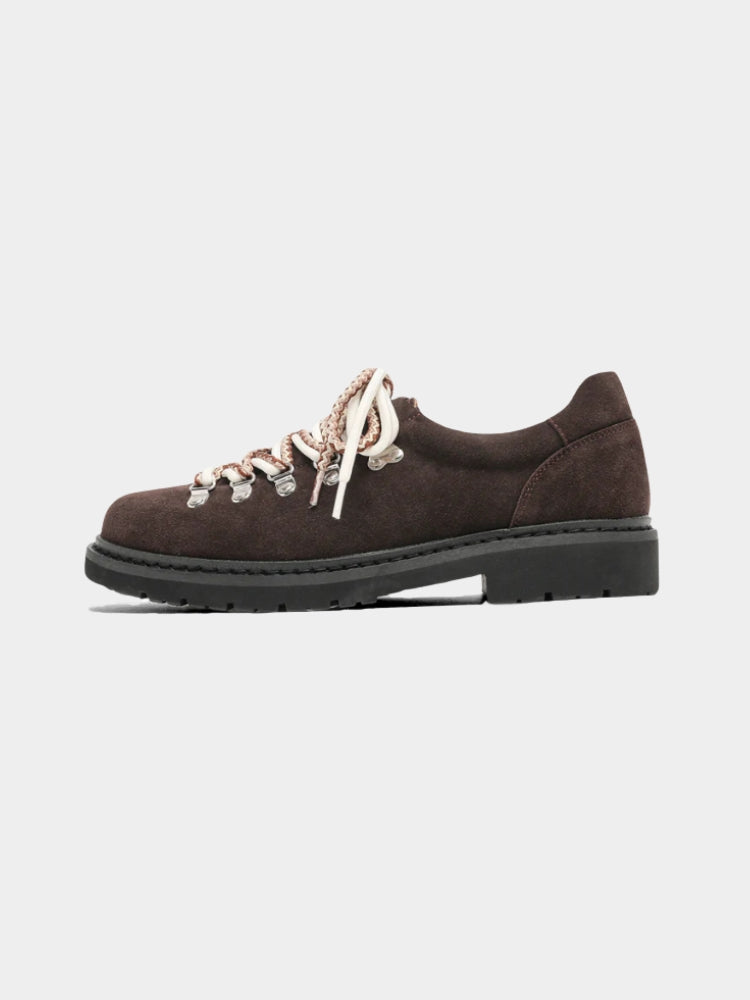
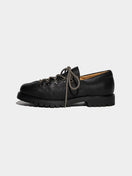
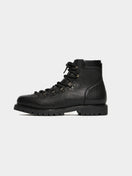
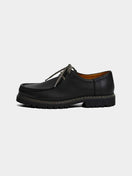
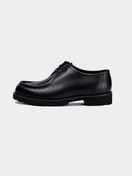
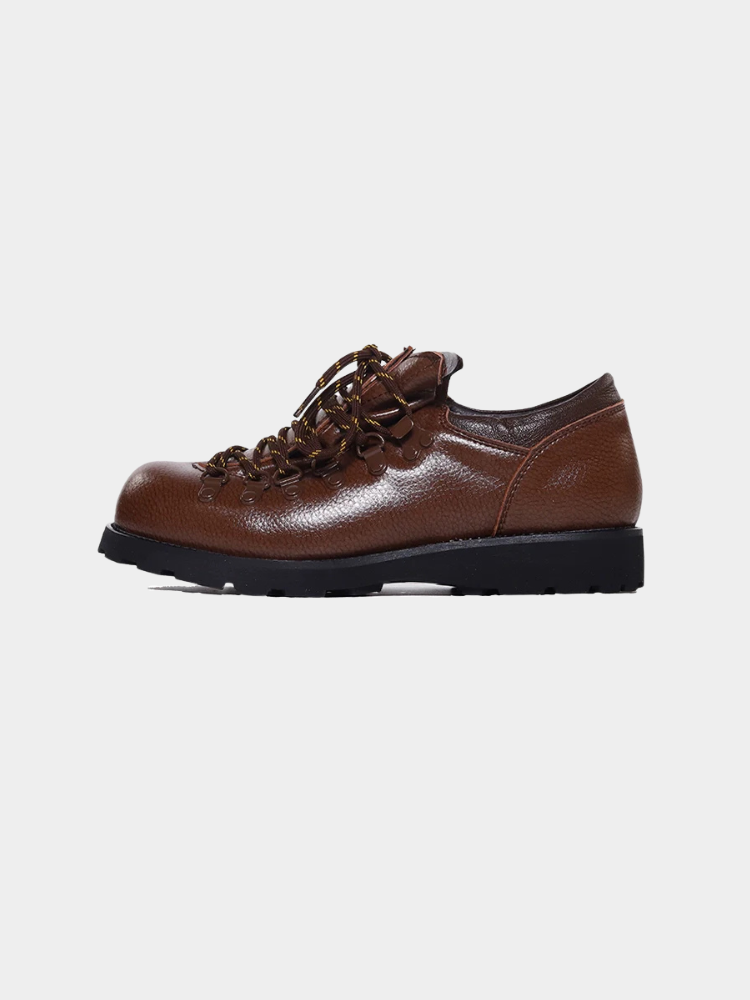
Paper Straight designs footwear in the Netherlands with longevity as a primary specification. The derby construction uses dense polyurethane uppers with reinforced backing, selected for flex durability and abrasion resistance. Stitched construction allows resoling. The fit prioritises comfort over long wear periods, reducing stress points that accelerate material breakdown.
All international orders include duties. Returns are accepted within 14 days.
The focus is not on replacing traditional leather but on proving that plant-based materials can meet the same durability standards when properly engineered. That requires transparent material sourcing, tested construction methods, and a design philosophy that values longevity over trend.
Vegan leather shoes are durable when the brand treats durability as a design requirement rather than a happy accident. The material matters. The construction matters more.

Written by Paper Straight