

10 Ethical Men's Clothing Brands You Should Know in 2026
Ethical men's clothing brands are no longer a niche. They represent a shift in how clothing is made, sold and worn. Transparency replaces marketing gloss. Fair wages and cruelty-free materials become standard, not optional. The challenge is knowing which brands deliver on those promises.
This guide introduces ten ethical men's clothing brands in 2026, explains the certifications that matter and shows how to verify claims before you spend.
What makes a clothing brand ethical?
An ethical clothing brand operates with transparency across three areas: labour, materials and environmental impact. It publishes supplier lists, certifies its claims and pays fair wages throughout the supply chain. It avoids animal products where alternatives exist, or sources them under strict welfare standards. It does not greenwash.
The term "ethical" is not regulated. Any brand can claim it. That makes third-party certification essential. Look for GOTS (Global Organic Textile Standard) for organic cotton, Fair Trade for labour practices, PETA-Approved Vegan for cruelty-free materials and B Corp for overall social and environmental performance. If a brand lacks these, ask why.
Ethical fashion is also about longevity. A garment worn for years carries less impact than one discarded after a season. Construction, fit and material quality matter as much as the story behind them.
Top 10 ethical men's clothing brands
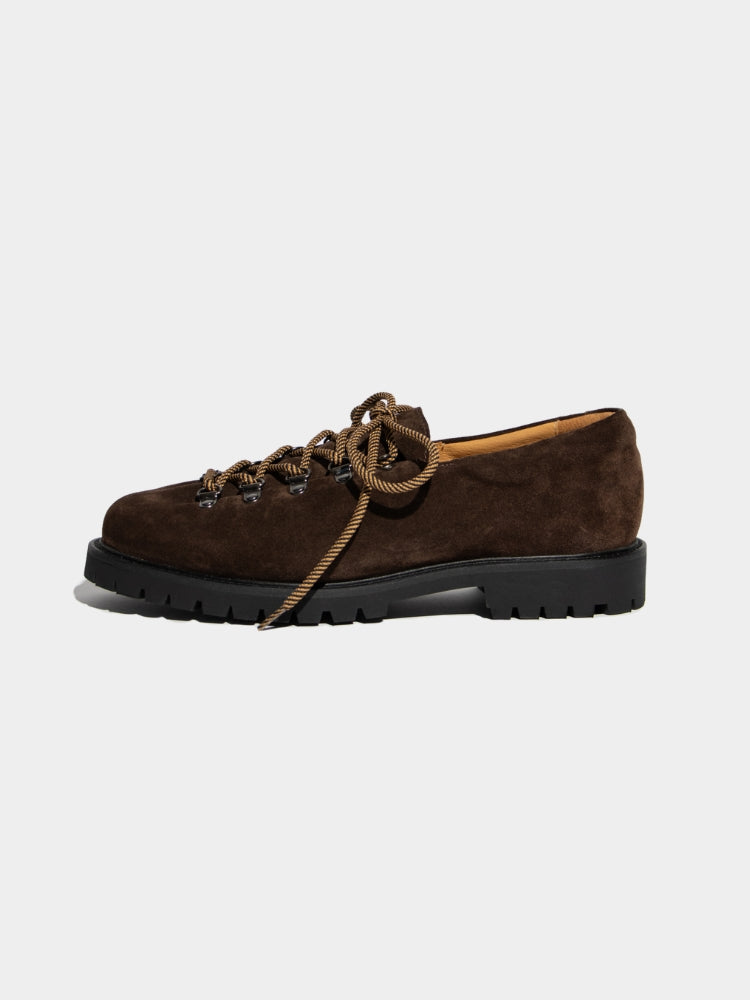
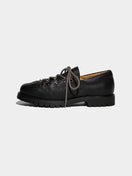
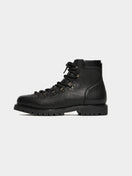
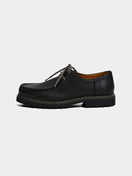
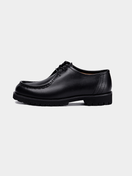
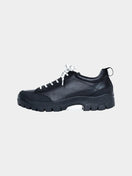
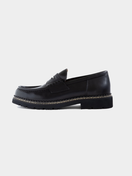
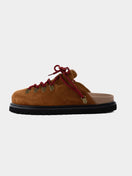
1. Paper Straight Designed in the Netherlands, Paper Straight builds its collection around minimalist streetwear for men and cruelty-free footwear. The focus is on durable construction, natural materials and transparent sourcing. No synthetic leather. No claims that cannot be verified. Returns within 14 days. Duties included on international orders.
2. Nudie Jeans A Swedish denim brand with full supply chain transparency. Every garment lists its factory and impact. Free repairs for life. GOTS-certified organic cotton. Fair Wear Foundation member. Nudie publishes the names and addresses of every supplier.
3. Asket A direct-to-consumer brand that publishes the true cost of each item: materials, labour, transport and margin. No sales, no discounts, no seasonal collections. Lifetime guarantee on construction. GOTS, Fair Trade and Bluesign certifications across the range.
4. Patagonia B Corp certified since 2011. Patagonia uses recycled polyester, organic cotton and responsibly sourced down. It publishes a detailed footprint chronicle for each product. Fair Trade premiums paid directly to factory workers. Worn Wear program for repairs and resale.
5. Armedangels German brand producing GOTS-certified basics and casualwear. All cotton is organic. All factories audited under Fair Wear. Armedangels publishes a sustainability report annually and names every production partner.
6. Knowledge Cotton Apparel Danish brand with GOTS and Fair Trade certification on most of its line. Focuses on organic cotton, recycled wool and Tencel. Full traceability from raw material to finished garment. Climate-neutral shipping.
7. Outerknown Founded by surfer Kelly Slater, Outerknown holds Fair Trade, GOTS and Bluesign certifications. Uses organic cotton, recycled polyester and hemp blends. B Corp certified. Publishes a transparency map showing every mill and factory.
8. Veja French footwear brand known for organic cotton canvas and wild rubber from the Amazon. Fair Trade certified. No advertising budget. Factories in Brazil and Portugal, both audited for fair wages and conditions. Full material traceability.
9. Thought Clothing UK-based brand specialising in natural fibres: organic cotton, hemp, bamboo and wool. GOTS-certified and Fair Wear audited. Publishes supplier lists. Focuses on classic cuts designed to last years, not seasons.
10. Rapanui Small UK brand with radical transparency. Every product has a QR code linking to its supply chain. Organic cotton, renewable energy in production, minimal packaging. Offers a take-back scheme for recycling worn garments.
Key certifications: Fair Trade, GOTS, B Corp, PETA-Approved
Certifications cut through marketing language. They impose third-party audits, measurable standards and annual reviews. Here are the ones that matter.
GOTS (Global Organic Textile Standard) certifies organic fibres and enforces environmental and social criteria throughout processing. It bans toxic dyes, requires wastewater treatment and mandates safe working conditions. GOTS is the gold standard for organic cotton.
Fair Trade ensures fair wages, safe conditions and community investment funds. Products carrying the Fair Trade label have passed independent audits at every stage of production. Premiums go directly to workers, not management.
B Corp certification assesses a company's entire impact: governance, workers, community, environment and customers. It requires legal accountability to stakeholders, not just shareholders. Over 6,000 companies hold B Corp status globally. Recertification occurs every three years.
PETA-Approved Vegan guarantees no animal materials or testing. The certification is free and based on a signed statement of assurance. PETA conducts spot checks and can revoke approval if claims are false.
Other useful certifications: Bluesign (chemical safety), Fair Wear Foundation (labour rights), Leather Working Group (responsible tanning) and Cradle to Cradle (circular design).
How to verify a brand's ethical claims
Start with the website. Does the brand publish a supplier list? Can you see factory names, locations and audit results? If the information is hidden behind vague statements like "we care" or "committed to sustainability", the brand is not transparent.
Check for third-party certification. GOTS, Fair Trade, B Corp and PETA-Approved all maintain public databases. You can verify any claim in minutes. If a brand says it is certified but does not appear in the database, it is not.
Read the annual sustainability report. Credible brands publish detailed impact data: carbon footprint, water use, waste and wages. They set targets and report progress. No report usually means no accountability.
Look at pricing. Ethical production costs more. If a brand claims fair wages and organic materials but sells T-shirts for less than high-street fast fashion, the numbers do not add up. Ask how they achieve it.
Contact the brand directly. Ask specific questions: Which factory made this shirt? What certification does the cotton hold? What is the base wage in that facility? If the answers are evasive or delayed, that tells you something.
Finally, search for independent reviews. Organisations like Good On You, Fashion Revolution and Ethical Consumer assess brands on labour, environment and animal welfare. Their ratings are based on evidence, not marketing.
Why ethical fashion costs more (and why it's worth it)
Ethical fashion costs more because it pays people fairly, uses better materials and operates with transparency. A T-shirt made from GOTS-certified organic cotton in a Fair Trade factory costs more to produce than one made from conventional cotton in an unaudited facility. That cost difference is real.
Fast fashion externalises costs. It pays below living wages, pollutes water supplies and produces garments designed to fail. The price looks low, but the true cost is borne by workers, ecosystems and ultimately the consumer who replaces the item every season.
Ethical brands internalise those costs. They pay fair wages, invest in cleaner processes and design for longevity. The result is a garment that lasts years, not months. Cost per wear drops significantly.
There is also the matter of values. Clothing communicates. What it says about labour rights, animal welfare and environmental stewardship is no longer separate from how it looks. A well-made garment from a transparent brand carries no hidden cost. That has value.
Affordability is a valid concern. Not everyone can rebuild a wardrobe overnight. The solution is to buy less, buy better and extend the life of what you own. Repair, resell, rewear. Ethical fashion is not about perfection. It is about direction.
Building an ethical men's wardrobe
Start with the items you wear most. A handful of well-made basics in organic cotton or linen will outlast a wardrobe of cheaper alternatives. Focus on fit and fabric. If a garment does not fit well or feel comfortable, certification will not make you wear it.
Prioritise durability in footwear. Shoes take the most punishment. Look for brands that use natural materials, Goodyear welted construction and offer resoling services. Cruelty-free footwear brands increasingly offer styles that combine ethics with longevity.
Buy neutral colours. Black, navy, grey, white and tan work across contexts and seasons. They pair easily and age well. Trends fade. A well-cut navy overshirt in organic cotton will still look right in five years.
Learn basic repairs. Replacing a button or restitching a seam extends a garment's life by years. Many ethical brands offer free repair services or detailed care guides. Use them.
Resist the urge to replace everything at once. Ethical fashion is not about consumption. Wear what you own until it no longer serves you, then replace it with something better. A wardrobe built slowly around quality and transparency will outlast one built quickly around trends.
Finally, ask questions. Contact brands. Read reports. Verify claims. The more consumers demand transparency, the more brands will provide it. Ethical fashion grows when enough people refuse to accept anything less.

Von Paper Straight