
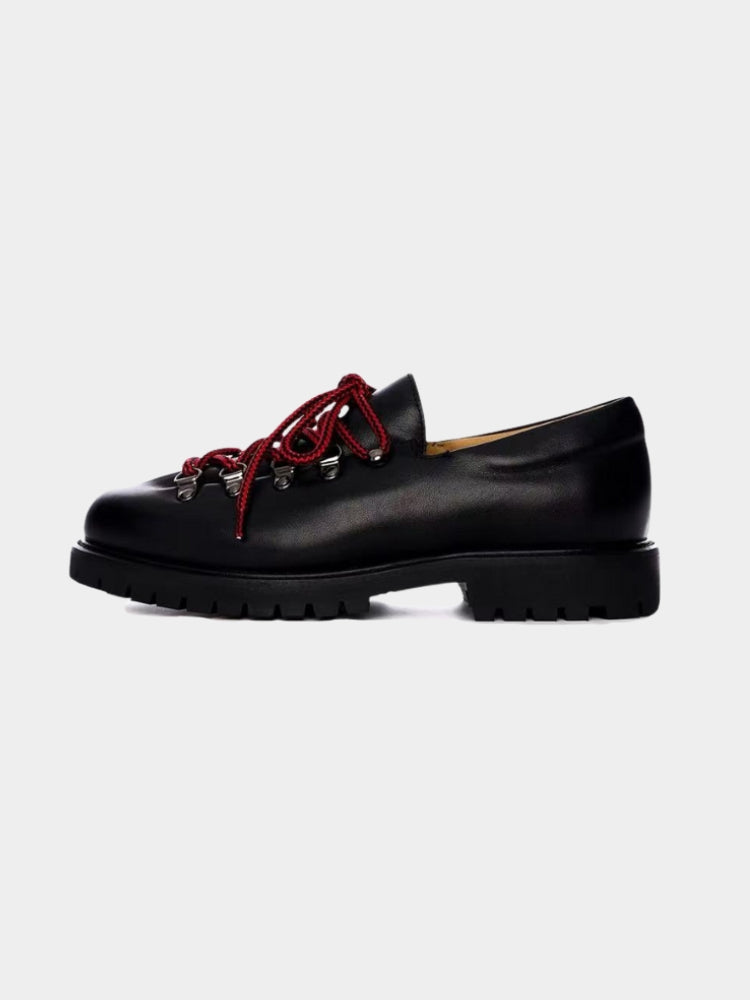
Best Wide Toe Box Shoes for Men: Comfort Without Compromise
Why Toe Box Width Matters for Foot Health
Your toes are meant to spread. A wide toe box allows natural splay, distributing weight evenly across the forefoot and stabilising each step. Narrow footwear forces toes inward, compressing joints and misaligning the foot over time.
The benefits are measurable. Natural toe position improves balance, strengthens the arch, and reduces strain on the Achilles tendon. Blood circulation improves. Nerves function without pressure. The foot moves as it was designed to move.
Wide toe box shoes restore this function. They accommodate the foot's widest point without pinching, gripping or distorting. The difference is felt immediately and compounds over years.
Common Problems Caused by Narrow Footwear
Narrow shoes create predictable problems. Bunions form when the big toe is pushed toward the second toe, thickening the joint at the base. Hammertoes develop as toes buckle under sustained pressure. Morton's neuroma, a nerve thickening between the third and fourth toes, causes sharp pain and numbness.
Plantar fasciitis worsens when the foot cannot spread. The fascia compensates for poor alignment, inflaming with each step. Metatarsalgia, pain in the ball of the foot, follows from uneven weight distribution.
These conditions are structural, not inevitable. They result from footwear that prioritises silhouette over anatomy. Switching to a wide toe box addresses the cause, not just the symptom.
Features to Look For in Wide Toe Box Shoes
A true wide toe box is measured at the forefoot, not the heel. The shoe should allow your toes to lie flat and fan slightly when standing. Check that the widest part of your foot aligns with the widest part of the shoe.
Look for a roomy upper that does not taper aggressively. Rounded or almond-shaped toe caps work better than pointed profiles. The insole should sit flat without arch support that crowds the midfoot.
Flexibility matters. The sole should bend where your foot bends, at the ball, not at the midfoot. A low heel-to-toe drop keeps the forefoot level, reducing pressure on the toes. Zero-drop soles are ideal for natural alignment, though a modest drop of four millimetres or less still functions well.
Breathable materials prevent swelling. Leather and canvas stretch slightly with wear, conforming to your foot rather than compressing it. Avoid rigid synthetics that hold their shape at the expense of yours.
Wide Toe Box Dress Shoes: Style Meets Function
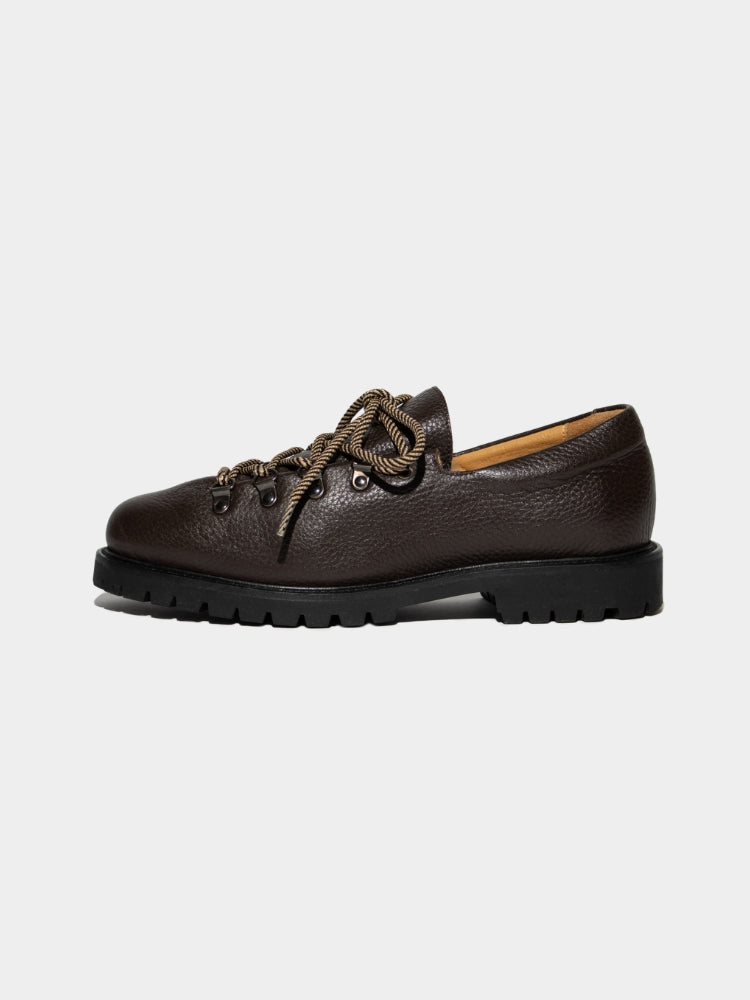
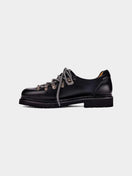
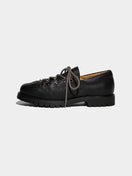
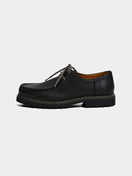
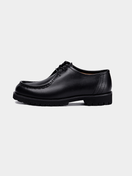
Dress shoes with wide toe boxes do exist. The derby, with its open lacing and broader last, offers more forefoot space than an Oxford. A derby cut from supple leather adapts to the foot without pinching, particularly across the metatarsals.
When selecting vegan dress shoes with a wide toe box, inspect the upper material. Microfibre and plant-based leathers vary in flexibility. A softer, broken-in feel at purchase indicates a material that will accommodate splay rather than resist it.
Minimalist shoes in dress formats strip away unnecessary structure. A thin sole and unlined upper reduce bulk, allowing the shoe to move with the foot. The aesthetic reads clean, almost Bauhaus, and pairs well with tailoring that favours proportion over ornament.
If you spend long hours standing, shoes designed for standing all day often incorporate wider toe boxes alongside cushioning and arch support. The overlap between comfort footwear and wide-toe design is significant.
Best Wide Toe Box Shoe Brands and Models
Several brands build around anatomical fit. Lems Shoes produces dress and casual styles with wide, flat soles and zero drop. The Lems Nine2Five looks like a standard derby but offers significantly more toe room.
Vivobarefoot specialises in barefoot shoes with thin, flexible soles and generous toe boxes. The Gobi II and Lisbon models work in smart-casual settings without appearing technical. Materials include leather and recycled synthetics.
Altro offers wide-fit running and walking shoes. Their designs prioritise toe splay and natural foot mechanics, though styling leans athletic rather than dressy.
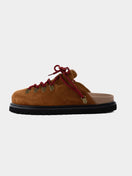
For suede options, some brands offer wide-fit iterations of classic silhouettes. Suede derbies in wider lasts combine texture with room, though availability varies by maker.
Barefoot shoes, a subcategory defined by minimal cushioning and maximal ground feel, universally feature wide toe boxes. Brands like Xero Shoes and Be Lenka span casual, athletic and semi-formal styles. The aesthetic is distinct, often reading more utilitarian than refined, but function is uncompromising.
How to Measure Your Foot and Find the Right Fit
Measure your foot at the end of the day, when it is widest. Stand on a sheet of paper and trace the outline. Measure the widest point across the ball of the foot. This is your true width.
Compare this measurement to the shoe's internal width, if available. Most brands list forefoot width in millimetres or provide a width designation such as D, E or EE. A wide toe box typically starts at E width or above, though sizing standards vary.
Try shoes with socks you intend to wear. Stand and walk. Your toes should not touch the front or sides of the shoe. Press down on the toe box. If you feel resistance before the material gives, the fit is too narrow.
Check for heel slip separately. A wide toe box should not require a loose heel. If the heel moves excessively, the shoe is too large overall, not simply roomy at the front.
Order from retailers with clear return policies. Fit cannot be fully assessed until you walk in the shoe for several minutes on varied surfaces. A 14-day return window allows proper testing.
Finding the Balance Between Width and Polish
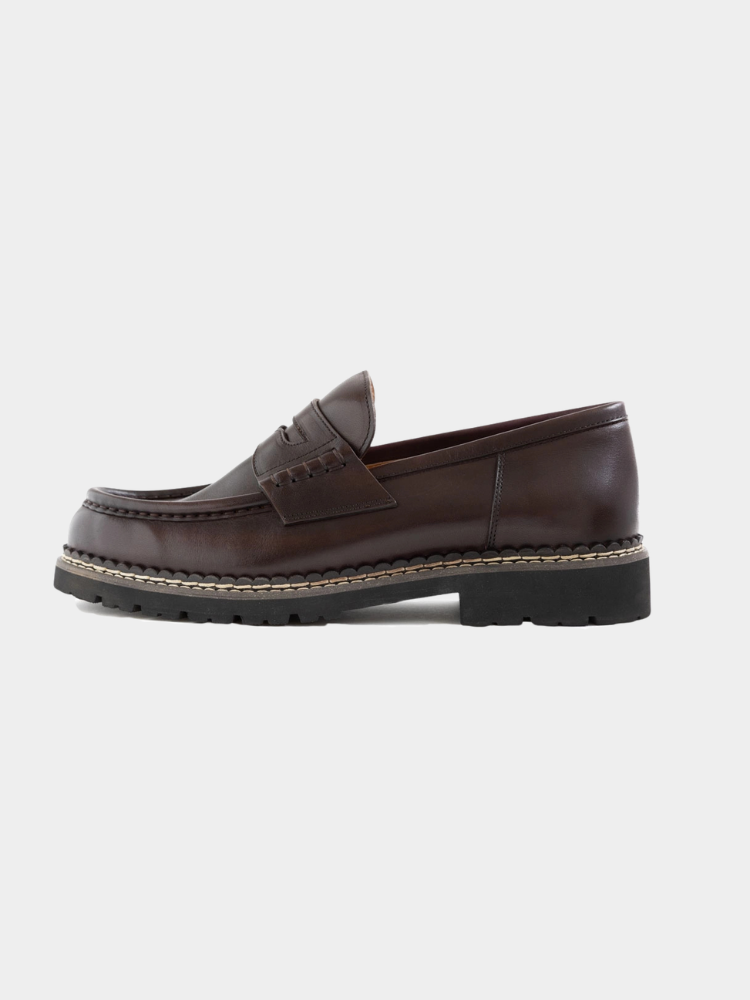
Wide toe box shoes do not require compromise on appearance. The derby shape, already wider than an Oxford, accommodates toe splay without looking bulbous. A clean upper, minimal stitching and quality materials shift attention away from width and toward line.
Choose neutral colours. Black, dark brown and charcoal integrate into most wardrobes without drawing attention to silhouette. Suede softens the profile, as its matte finish absorbs light rather than reflecting it.
Proportion matters. A slightly wider shoe balances better with straight or wide-leg trousers than with aggressively tapered cuts. The overall line should read intentional, not accidental.
Barefoot and minimalist shoes often embrace their width as part of the design language. Paired with the right outfit, this reads as confident rather than awkward. The key is consistency. If the rest of your wardrobe leans minimal and functional, a wide toe box shoe reinforces rather than contradicts that aesthetic.
Maintenance and Care for Long-Term Comfort
Wide toe box shoes require the same care as any quality footwear. Brush suede regularly to lift the nap. Condition leather to maintain suppleness. Allow shoes to air out between wears.
Insoles can be replaced if the original compresses or wears unevenly. Choose flat insoles without aggressive arch support. The goal is to maintain the wide, level platform that drew you to the shoe in the first place.
Soles on minimalist and barefoot shoes wear faster than traditional cushioned footwear. Thin rubber offers ground feel but sacrifices durability. Rotate between pairs to extend lifespan. Many brands offer resoling services, worth investigating before purchase.
Stretch leather gently if needed. A cobbler can widen specific pressure points without altering the overall fit. This is preferable to sizing up, which loosens the heel and midfoot.
Making the Switch
Transitioning to wide toe box shoes takes time if you have worn narrow footwear for years. Start with casual styles and shorter wear periods. Your foot will strengthen as toes regain their natural position.
Expect an adjustment period. Muscles that have been underused will fatigue as they activate. This is normal and temporary. Gradually increase wear time over several weeks.
You may find that your foot widens slightly as it decompresses. This is the foot returning to its natural shape, not the shoe stretching excessively. Re-measure after three months and adjust sizing if necessary.
The long-term benefits outweigh the initial adaptation. Better balance, reduced pain and improved foot health compound daily. Once your feet have experienced natural splay, returning to narrow footwear feels immediately restrictive.
Wide toe box shoes are not a niche product for problem feet. They are footwear designed around anatomy rather than convention. The choice is function, made visible.

Af Paper Straight